
LISTENING THERAPY TO SUPPORT TRAUMA-INFORMED THERAPISTS
LISTENING THERAPY TO SUPPORT TRAUMA-INFORMED THERAPISTS
Help clients build the capacity for deeper therapeutic work.
Give the nervous system a more regulated starting point with the Safe and Sound Protocol (SSP).
The Safe and Sound Protocol is an evidence-based listening therapy that supports nervous system regulation — helping clients develop greater capacity to stay present, connect and engage in the work you’re already doing.
A no-pressure conversation about clinical fit, implementation and pricing.


Used by 10,000+ healthcare professionals worldwide.
The Safe and Sound Protocol™ (SSP) is an evidence-based listening therapy used alongside IFS, EMDR, Somatic Experiencing, ACT and other trauma approaches to help create the conditions for deeper and more impactful trauma healing.
81%
of clients who experienced the SSP reported an improvement in symptoms of depression.
87%
of clients who experienced the SSP reported an improvement in trauma-related symptoms.
85%
of clients who experienced the SSP reported an improvement in symptoms of anxiety.
Real-world evidence collected through Unyte Assessments. These data do not control for other therapies, medications or contextual variables and should not be interpreted as controlled clinical-trial results.
You know the session.
Your client wants help, but every path seems to lead back to the same place.
They become overwhelmed before you can process the trauma.
They shut down when you get close to something important.
You spend most of the session regulating rather than getting to the deeper work.
Sometimes the issue isn’t knowing what to say next. It’s whether the nervous system has enough capacity for what comes next.


Give therapy a more regulated starting point – and see the work you’re doing go deeper.
The Safe and Sound Protocol (SSP) provides a body-first pathway to nervous system regulation through listening.
Developed by Dr. Stephen Porges and rooted in Polyvagal Theory, SSP uses specially filtered music designed to support autonomic regulation and cues of safety.
A no-pressure conversation about clinical fit, implementation and pricing.
As regulation develops, clients may have greater capacity to:
- Connect and stay present
- Recover from activation
- Tolerate difficult emotions
- Engage more fully in therapy
For therapists, this may mean more room for therapeutic work, connection and momentum, with less pressure to push or find the next technique.
As regulation increases, clients may have greater capacity to:

Connect
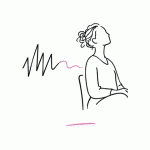
Recover from activation

Tolerate difficult emotions
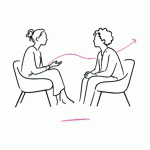
Engage fully in therapy
New to SSP? Start With Our Free Guide for Trauma-Informed Therapists
Download Path to Provider: Your Guide to the Safe and Sound Protocol (SSP) to see how SSP is designed to support regulation and participation in trauma-informed therapy.
Inside, you’ll explore the Polyvagal Theory, the science behind SSP, real practitioner case studies, and a clear path to becoming a certified provider — so you can explore whether it’s a fit for your practice at your own pace.
Fill out the form to receive your free guide:
Therapists like you are seeing results.

“The SSP offers a space to relearn and reconnect to the experience of inner ease, both within the self and within relationship to other, allowing for deeper healing and growth to occur.”
Jillian Hosey, MSW RSW, LICSW (RI)

“Our client and her family have attempted many different therapeutic interventions over the developmental years and unfortunately were discouraged with the outcomes. The positive results of the SSP have provided this family with encouragement and hope.”
Dalyce Wilson-Podesky and Julie Campbell, Therapists
Add nervous-system support to the work you already do.
Get SSP Certified
Complete the 5-hour on-demand provider training featuring Dr. Stephen Porges, Deb Dana and other leading clinicians, plus earn CEs!
–
Identify Fit
Consider each client’s presentation, history, readiness, and individual needs. Unyte’s live and online support can support you as you’re getting started.
–
Introduce Listening Therapies
Guide clients through their chosen SSP playlist in person or remotely, through the Unyte app and over-ear headphones. You control pacing and intensity based on client presentation.

Help clients use their growing capacity for presence, connection and regulation within therapy and daily life.
A no-pressure conversation about clinical fit, implementation and pricing.
Grounded in Polyvagal Theory. Informed by research and clinical use.
Among 390 clients who began Safe and Sound Protocol (SSP) with at least moderate trauma-related symptoms, 87% reported improvement, average PCL-5 scores decreased by 16.2 points, and 57% moved from the clinical to non-clinical PCL-5 range.

Meet Janine
Janine was already receiving psychotherapy incorporating CBT, DBT and mindfulness while experiencing significant PTSD, anxiety and depression symptoms.
Her therapist added SSP.
Janine’s PCL-5 trauma score dropped 20 points, while her anxiety and depression scores also moved into mild or subclinical ranges.

Client experience
“SSP, along with talk therapy, has helped me untangle my insides, which I didn’t even know was possible. In many ways, it has helped me find my voice and become the best version of myself I’ve met so far.”
— Janine
Provider experience
The integration of SSP with psychotherapy produced both subjective and measurable improvements in Janine’s functioning. The magnitude of reduction across all measures suggests that the SSP, combined with psychotherapy, provided direct regulation of the autonomic nervous system and accelerated the therapeutic process.
— Stacey Christensen, LCSW
Designed for thoughtful integration into trauma practice.
Safe and Sound Protocol may be a fit if you:
- Are a qualified mental health professional working with trauma, PTSD, C-PTSD, shutdown, dissociation, anxiety or related dysregulation
- Have clients who want to progress but become overwhelmed, shut down or remain stuck
- Want to complement your existing modalities rather than replace them
- Value evidence, clinical judgment and ongoing support
Safe and Sound Protocol is not:
- A replacement for psychotherapy or the therapeutic relationship
- A one-size-fits-all protocol delivered without clinical judgment
- A self-directed consumer program; SSP is guided by a trained provider
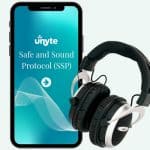
A clear path to getting started.
A valid license, certification or professional credential is required to get certified and deliver the SSP.
Step 1: Foundational Training
Complete our online Foundational Training course at your own pace (approx. 5.5 hours).
You’ll gain practical clinical guidelines, safety protocols, and earn approved CE credits across major mental health boards.
$399 USD.
Save $100 when you purchase your training with an annual subscription!
An optional 6-week, live cohort program designed to bridge the gap between training and client delivery.
Guided by expert mentors, you’ll gain hands-on practice, peer collaboration, and the clinical confidence needed to integrate SSP into your practice.
$199 USD.
Optional add-on
Step 2: Practical Immersion
Step 3: Integrate SSP & Access Support
Your subscription provides access to all SSP pathways and playlists via the MyUnyte app, digitized clinical assessments, and HIPAA-compliant client management.
It also includes ongoing Client Success support, Client Connections™ marketing tools, advanced training, CE opportunities, and an exclusive provider community with monthly live Q&As and mentorship.
Annual subscriptions start at
$139/month USD.
Start with a free practice consultation
Bringing new clinical tools into your practice is a big decision. Speak directly with a member of our team – all practicing or former clinicians who understand the nuances of client care.
In 20 focused minutes, we’ll help you:
Evaluate Caseload Fit:
Discuss your unique client population and confirm if the Safe and Sound Protocol (SSP) is the right listening therapy for your practice.
Get Honest Answers:
Ask detailed clinical, practical, or technical questions clinician-to-clinician.
Map Your Custom Path:
Build a personalized training and subscription roadmap that matches your clinical timeline and budget.
A no-pressure conversation about clinical fit, implementation and pricing.
Ready to go? You can purchase online and get started right away.
FAQ
Questions trauma-informed therapists commonly ask:
Will SSP replace the modalities I already use?
No. SSP is designed to complement psychotherapy by supporting the regulation and receptivity that many trauma approaches require. Providers integrate it alongside approaches such as CBT, DBT, IFS, ACT, EMDR, Brainspotting and somatic therapies.
Is SSP evidence-based?
The Safe and Sound Protocol (SSP) is a powerful, evidence-based listening therapy designed to support nervous system regulation and improve emotional and physiological resilience. With real-world evidence from thousands of clinicians and clients worldwide, the SSP has been shown to reduce symptoms of anxiety, depression, trauma and psychosocial challenges by helping individuals achieve a state of safety and calm. This evidence-based approach makes the SSP a trusted tool for nervous system regulation. Explore the research and success stories that validate the power of the SSP to transform lives here.
What does training involve?
Foundational SSP Training is online and on demand. It covers Polyvagal foundations, clinical rationale, delivery, pacing and practical integration. A valid professional license, certification or credential is required to deliver SSP.
Can I use SSP in person and remotely?
Yes. Providers can guide client listening in clinic or remotely through the Unyte Health app while managing delivery and resources through MyUnyte.
How much extra work will implementation create?
The training, platform, implementation resources, clinical tools, assessments and Client Success support are designed to make adoption manageable. Delivery still requires clinical judgment, individualized pacing and monitoring.
Why is there an ongoing subscription?
The subscription provides licensed music, the delivery technology, playlists and program updates, client licenses, implementation resources, education, community and ongoing support. It keeps providers on the current version of the program rather than leaving them with a static one-time purchase.
Is SSP appropriate for every trauma client?
No intervention is appropriate for every client. A trained provider considers the client’s presentation, history, readiness and responses, then individualizes pacing and support.
What happens on the call?
You can discuss the clients you serve, the modalities you use, what SSP delivery looks like, training and implementation requirements, subscription costs and whether the program is realistically suited to your practice.
Let’s explore whether supporting their nervous system could create another path forward.
A no-pressure conversation about clinical fit, implementation and pricing.
 © 2026 Unyte Health US Inc.