
Mental Health & Talk Therapy Modalities
The Role of Regulation in Talk Therapy
Talk-based and mental health therapies help clients build awareness, insight and tools for change. However, accessing these benefits can be challenging when the nervous system is stuck in survival states.
Unyte’s evidence-based listening therapies complement therapeutic modalities, such as CBT, DBT, ACT, mindfulness practices, psychodynamic and relational therapy, and expressive arts, by supporting nervous system regulation — helping clients arrive calmer, more present and ready for deeper engagement.
Mental Health & Talk Therapy Modalities
The Role of Regulation in Talk Therapy
Talk-based and mental health therapies help clients build awareness, insight and tools for change. However, accessing these benefits can be challenging when the nervous system is stuck in survival states.
Unyte’s evidence-based listening therapies complement therapeutic modalities, such as CBT, DBT, ACT, mindfulness practices, psychodynamic and relational therapy, and expressive arts, by supporting nervous system regulation — helping clients arrive calmer, more present and ready for deeper engagement.
Why Regulation Matters in Talk Therapy
For many clients, dysregulation creates barriers to progress: difficulty focusing, emotional flooding, shutdown, or avoidance. These states limit their ability to process insights, apply coping skills, or engage in meaningful dialogue. When the nervous system is balanced, clients can enter therapy sessions with greater openness, curiosity and resilience.
Listening therapies lay the groundwork for more effective therapeutic outcomes across a wide range of mental health modalities.
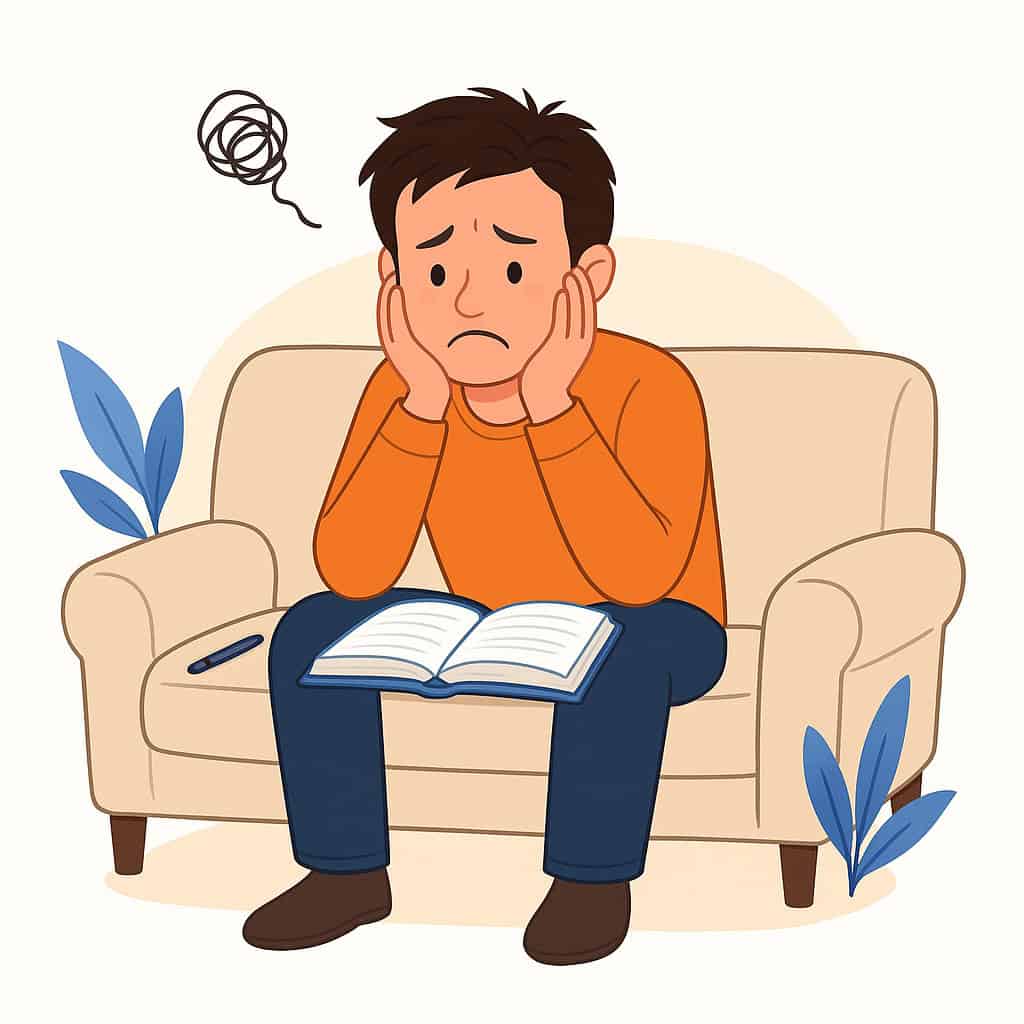
From dysregulation
→
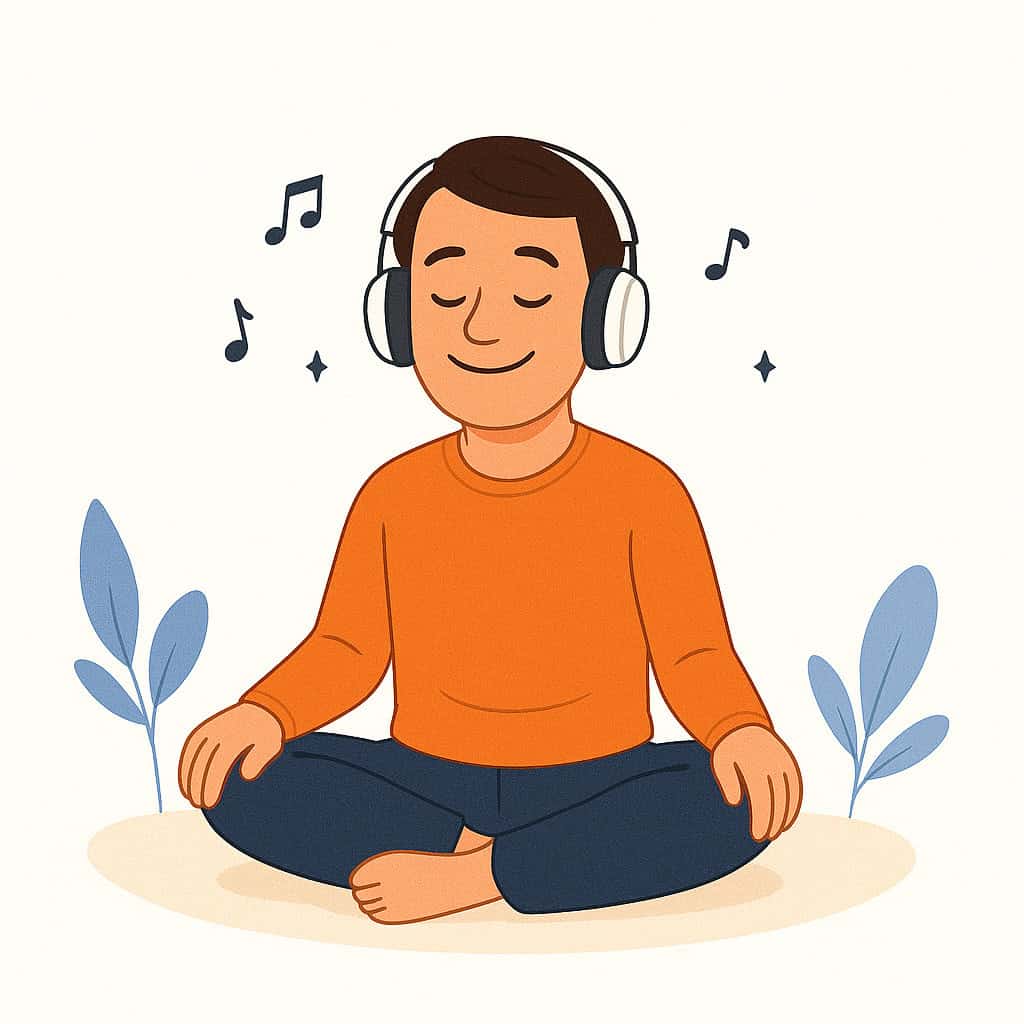
To nervous system regulation
→

To more effective progress

From dysregulation

To nervous system regulation

To more effective progress
How Our Programs Fit Your Practice
When clients arrive in dysregulated states, even the most effective therapeutic approaches can struggle to take hold. Unyte’s evidence-based listening therapies are designed to complement talk-based modalities, helping clients calm defensive states, access safety and engage more deeply in the therapeutic process.

Safe and Sound Protocol™ (SSP)
Safety and Connection
Promotes autonomic regulation and supports clients who struggle with anxiety, depression, or trauma-related dysregulation. Creates the conditions for safer exploration of thoughts, feelings and behaviors.

Rest and Restore Protocol™
Restoration and Recovery
Rest and Restore Protocol supports restoration and homeostasis, helping the client self-regulate, recover and find physiological balance.

Integrated Listening System™ (ILS)
Organization and Skill Building
Supports learning, attention and performance at work and at school through brain and body organization. Can be paired with other therapeutic approaches to enhance engagement and integration.
Benefits for Clients
- Increased ability to stay present and engaged in sessions.
- Reduced emotional overwhelm or avoidance.
- Greater openness to insight, reflection and relational connection.
- Stronger integration of therapeutic tools and coping strategies.

Benefits for Professionals
- Sessions move forward with fewer disruptions from dysregulation.
- Clients respond more effectively to therapeutic techniques.
- Therapeutic outcomes are accelerated and more sustainable.
- A practical, evidence-based complement to other therapeutic modalities.
Real Stories. Real Results.
Backed by research and grounded in lived experience, these case studies highlight the measurable impact of nervous system regulation across diverse modalities and populations.

The Safe and Sound Protocol (SSP) Supports Client in Setting Boundaries and Forming Positive Social Connections
Merry presented with social anxiety and fear of judgment, often feeling confusion around their own emotions and identifying fear as a prevalent and pervasive one. Discover how the SSP helped Merry stop going into hypoarousal in a maladaptive way, indicating a strengthened vagal brake.

Boy Experiences Lasting Sleep After Rest and Restore Protocol (RRP)
Ryan found it difficult to fall asleep, often only resting in 4- to 5-hour increments. His family turned to SSP and RRP as interventions for helping Ryan get longer and more fulfilling sleep at night.

SSP Supports Client with Trauma, Shown Through Improved Scores on Clinical PTSD, Depression and Anxiety Assessments
Candace sought therapy for a diverse range of challenges and symptoms that significantly impacted her daily life. These included anger issues that had led to multiple job losses, persistent anxiety, changes in appetite, overwhelming feelings of boredom, fluctuations in weight, difficulties with concentration, frequent crying spells, persistent depression, an inability to make decisions, profound disappointment, and a problematic relationship with alcohol.
Discover how Unyte’s listening therapies can help your clients move beyond barriers of dysregulation and open to more effective therapy.




 © 2026 Unyte Health US Inc.