
The SSP Difference:
Providing a body-first pathway to nervous system regulation through listening
Providing a body-first pathway to nervous system regulation through listening
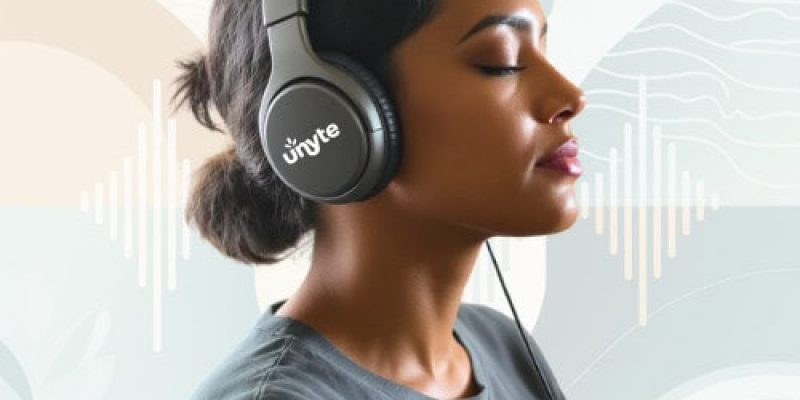
Nervous System Support and Therapeutic Integration
SSP directly targets the physiological state, promoting a more regulated nervous system, creating a foundation for healing. It primes the nervous system for greater receptivity, which can significantly enhance the effectiveness of other therapeutic modalities. These modalities include EMDR, somatic therapies, CBT, IFS, Play Therapy, and many more.

Scientific Foundation & Precisely Filtered Music
SSP is rooted in Polyvagal Theory and was developed by Dr. Stephen Porges. It is an evidence-based intervention with strong research demonstrating the potential to improve emotional regulation and social engagement. SSP utilizes specially filtered and patented music to gently retune the nervous system, fostering a sense of safety and receptivity.
– for a limited time –
Fall Into 50% Off
Start your Unyte annual subscription and save 50% for your first three months. It’s the perfect season to bring the power of listening therapy to the clients you support.
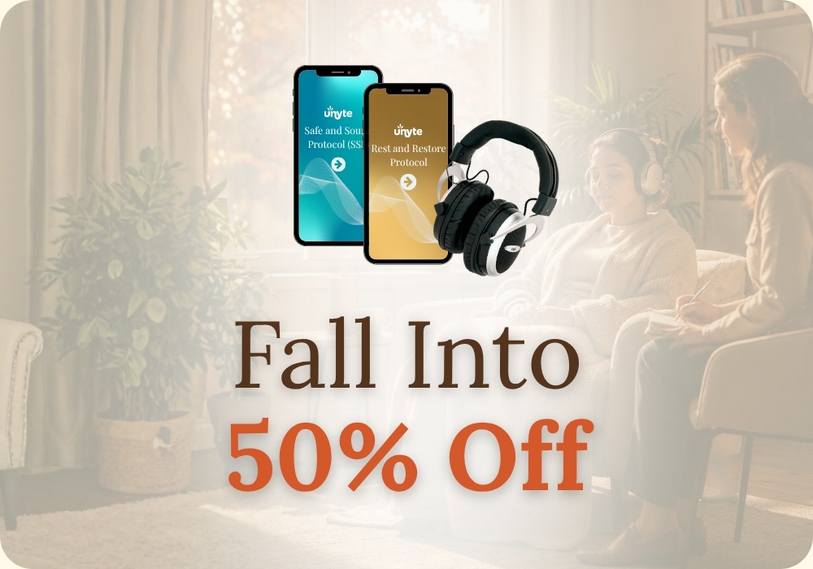
Fall Into 50% Off
Start your Unyte annual subscription and save 50% for your first three months. It’s the perfect season to bring the power of listening therapy to the clients you support.
The Challenge: Stuck in Defense
True connection is hard when the nervous system is stuck in defense. Many clients—children and adults alike—want to connect, engage, and feel safe, but their bodies remain in survival mode.
Critical Signs of Dysregulation
As a practitioner, you often see these critical signs in clients:
Feeling Unsafe/Chronic Defense/Chronic Stress
Difficulty connecting when the body stays in survival mode, which makes genuine relationships challenging.
Hypervigilance
Anxiety, constant alertness, or emotional reactivity that interferes with daily functioning.
Withdrawal
Shutdown, social avoidance, or isolation as protection mechanisms against perceived threats.
Sensory Overwhelm
Difficulty processing sensory input or staying present in overwhelming environments.
Practitioner Impact
For practitioners, a client’s nervous system dysregulation often means:
Stalled Sessions
Sessions plateau before deeper therapeutic engagement can happen effectively.
Limited Participation
Clients struggle to open up or participate fully in therapeutic processes.
Slower Progress
Frustration for both client and provider when progress feels sluggish or inconsistent.
Burnout Risk
Putting in significant effort without seeing proportional therapeutic results.
A dysregulated nervous system is commonly presented in individuals experiencing trauma recovery, auditory and other sensory processing differences, neurodivergence such as autism, autonomic dysfunction, and depression & anxiety.
The Science of Safety: SSP’s Polyvagal Foundation
The SSP is built on Polyvagal Theory, developed by Dr. Stephen Porges.
Polyvagal Foundation
The nervous system continuously scans for safety or threat cues, influencing our body’s automatic response systems.
Acoustic Stimulation
Filtered music trains the auditory system to better detect human voice frequencies and recognize cues of safety.
Vagal Activation
This activates the ventral vagal complex, shifting the nervous system toward social engagement and regulation.
“The SSP offers a space to relearn and reconnect to the experience of inner ease, both within the self and within relationship to other, allowing for deeper healing and growth to occur.”
Jillian Hosey, MSW RSW, LICSW (RI)
Tunes that Retune: The Solution
The SSP is built on Polyvagal Theory, developed by Dr. Stephen Porges.
When the nervous system is in defense mode, everyday sounds — including human voices — can be misinterpreted as threats. This auditory hypersensitivity makes communication and social engagement difficult, and can lead to isolation.
The SSP is designed to gently shift this auditory processing pattern. Its specially filtered music emphasizes the middle frequencies of the human voice. This is precisely the range our biology recognizes as reassuring and safe. By repeatedly exposing the nervous system to these “cues of safety,” SSP helps to retrain the ear and brain to interpret sounds more accurately, fostering a state of regulation, connection, and readiness for social engagement.
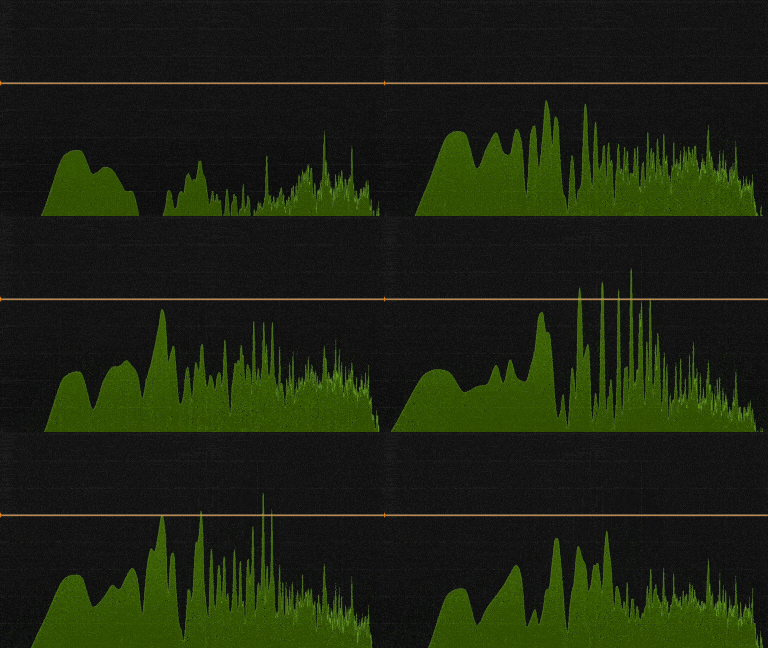
This visual shows full-spectrum sound frequencies in a typical, unfiltered clip of popular music.
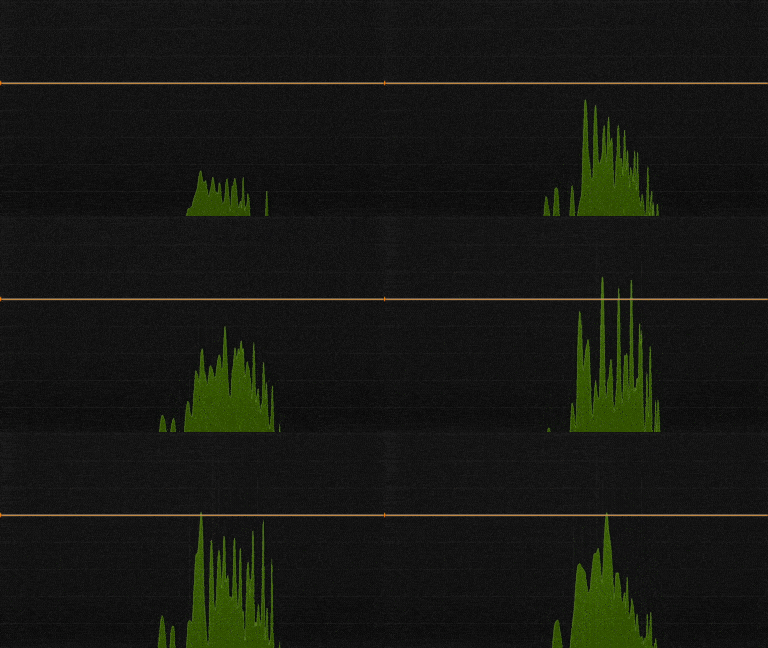
Here is the exact same clip — after being filtered through the SSP’s algorithm.
Quantifiable Impact: Evidence-Based Results
The Safe and Sound Protocol demonstrates significant improvements across key areas, backed by robust data:
85%
Anxiety Reduction
Participants reported a substantial decrease in anxiety symptoms.
81%
Mood Improvement
Significant positive shifts observed in overall mood and emotional well-being.
87%
Trauma Relief
Clients experienced marked relief from trauma-related symptoms.
84%
Caregiver Observations
Caregivers noted significant positive changes in their loved ones.
The SSP Experience
Every SSP journey is guided by a trained provider, like yourself.

Get trained in SSP Protocol
Learn SSP methods, Polyvagal foundations, and practical client delivery through on-demand training.
Activate Your SSP Subscription
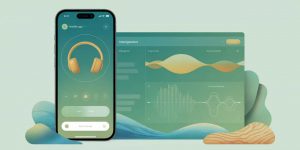
Your active subscription enables you to deliver SSP. It includes the Unyte Health app for client listening, MyUnyte for managing programs, assessments, resources, and community support.
Deliver SSP
Guide clients in person or remotely through the Unyte Health app. Clients listen with headphones, while you manage programs and track progress in MyUnyte.

Access Ongoing Support
Get resources, clinical assessments, clinical tools, and a community of peers and mentors to support your client work and professional growth.
Real-World Transformations: Client Case Studies
The SSP has provided life-changing outcomes for individuals across diverse challenges:

Supporting Children with Autism
A specialist in developmental pediatrics, Marie Nicolette shares, “We’ve seen incredible breakthroughs with SSP in children with autism. One child, who was non-verbal, started using single words and making eye contact after just a few weeks. It’s truly transformative for social engagement.”

“And it is only until they are in a ventral vagal or ‘regulated state’ that we can assist our clients in working on other goals. Safety is everything when it comes to trust and participation in the world around us and is critical for our clients’ success.”
Daphne Boucher, Occupational Therapist

Maria: Depression, Anxiety & Mobility
Maria, a 75-year-old woman experiencing depression, anxiety, and physical challenges, found remarkable relief. Her therapist integrated craniosacral therapy with SSP. As Peter Mervielde states, “SSP strengthened mental and emotional balance, yielding quick and noticeable results.” Maria now enjoys greater mobility and a significantly improved quality of life.

“Safe, sound, and simple. The level of ease and simplicity that comes with SSP digital delivery contributes to keeping the experience within reach of the nervous system’s capacity to safely engage.”
Deb Dana, LCSW

“The SSP supports shifts in an individual’s physiology that allow for healing to begin. After completion, patients exhibiting severe mood instability and rage showed a greater capacity to be in [the] here and now, allowing them to participate in talk therapy and somatic sessions in a way that was “more resilient, grounded and meaningful.”
Deirdre Stewart, LPC, SEP

Ben: Trauma, Dissociation & Attachment
Ben, an 11-year-old adoptee with a history of trauma and dissociation, found significant support through SSP. Integrated with EMDR therapy, SSP helped reduce his suicidal ideation and strengthen his attachment to his adoptive family. His therapist observed a profound shift in his ability to regulate emotions and connect securely.

“[The SSP] has allowed me to work with clients, children and adults, through a very short period of time and achieve results that normally would take me six months or more in a regular therapeutic process. I see trust, I see connection, I see safety being kindled at a level that the therapeutic process can flow without barriers.”
Ana Do Valle, OTR, SEP

After losing her home in the Lahaina wildfire, caring for her parents, and losing her job, Lissi faced severe anxiety, brain fog, and sleep issues. Through the Safe and Sound Protocol (SSP), she built resilience, improved sleep quality, and deepened mind-body awareness. Her trauma symptoms decreased significantly, allowing her to stay grounded, confident, and hopeful for the future.
We invite you to join a community of 10,000+ Certified SSP Providers to Cultivate Safety and Connection!
You must be a qualified professional to deliver the SSP. SSP Training and Certification covers both theory and the practical application of the Safe and Sound Protocol. Once certified, a subscription is required to deliver the SSP to your clients.
Have questions? We’re here to guide you!
Book a free, personalized consultation or call us directly at 1-866-594-9453.

 © 2026 Unyte Health US Inc.