
Listening Therapy Programs for Anxiety in Children and Adults
Do you ever worry excessively? Feel tense, restless, agitated, have difficulty relaxing or falling asleep? You are not alone. Almost one in twenty adults in the United States will experience some form of anxiety this year. And it is reported that as many as 25 percent of 13 – 18 year-old teens may have mild to moderate anxiety.
Anxiety is a common mental health issue that affects both children and adults. It is characterized by excessive worry, fear, and nervousness, often leading to physical symptoms such as rapid heartbeat, sweating, and shortness of breath.
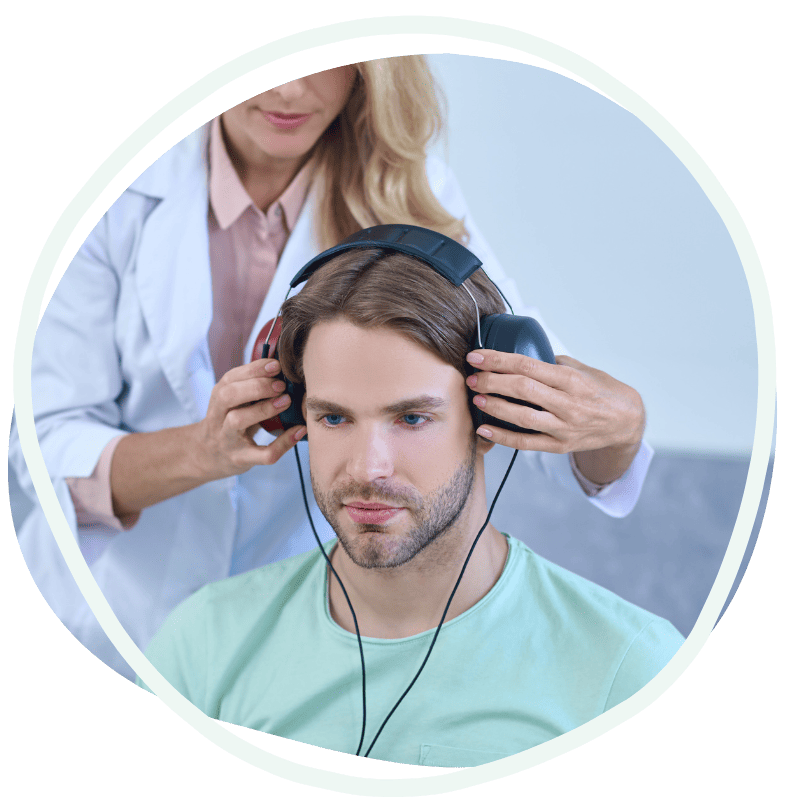
Children and Anxiety
The effects of anxiety can be seen in even very young children. Anxiety can manifest in various ways including separation anxiety, social anxiety, specific phobias, stomach aches, migraines or hives. Children may experience difficulty concentrating, restlessness, and avoidance of certain situations. It is important for parents and caregivers to recognize these symptoms and seek appropriate support for their child.
Adults and Anxiety
In adults, anxiety can have a significant impact on daily life. It can interfere with work productivity, relationships, and overall well-being. Common symptoms include persistent worrying thoughts, irritability, sleep disturbances, and muscle tension.
What causes anxiety?
The causes of anxiety are multifaceted and can vary from person to person. Factors such as genetics, brain chemistry imbalances, traumatic experiences or stressful life events can contribute to the development of anxiety disorders.
It is estimated that anxiety disorders affect around 18% of the adult population in the United States alone. This makes it one of the most prevalent mental health conditions.
Listening Therapy for Symptoms of Anxiety
Listening therapy has emerged as a promising approach to help alleviate symptoms of anxiety in both children and adults. This form of therapy utilizes specially designed music or sound frequencies to promote relaxation and reduce stress levels. By engaging the auditory system in a therapeutic manner, listening therapy aims to regulate emotions and improve overall well-being.
While listening therapy should not replace traditional forms of treatment such as counseling or medication when necessary; it can be used as a complementary tool to support individuals dealing with anxiety challenges.
Unyte Health: Listening Therapy to Support Anxiety
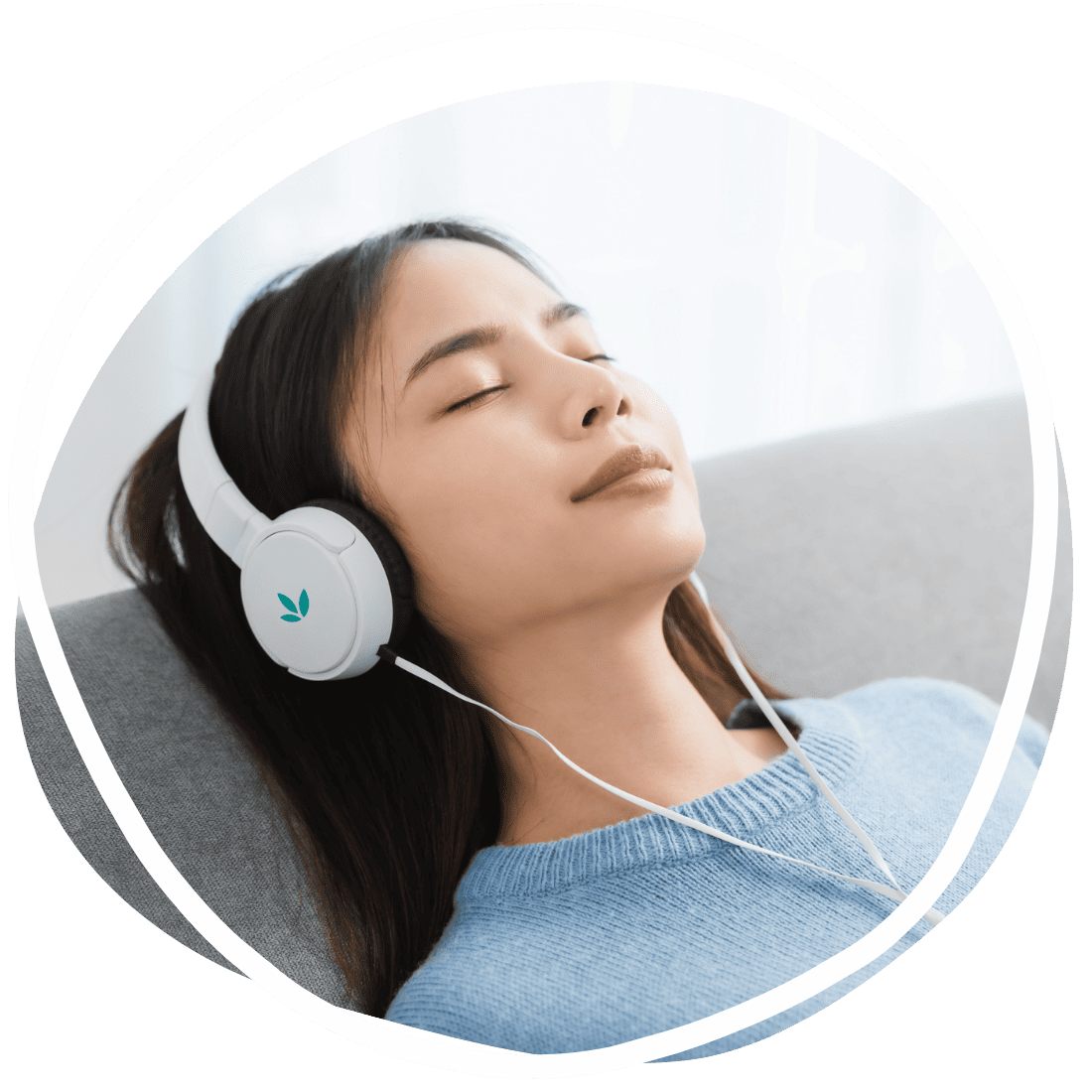
Safe and Sound Protocol (SSP)
Safety and connection
Safe and Sound Protocol is an evidence-based listening therapy grounded in the neurobiology of safety. It uses music filtered through a patented algorithm to help shift the nervous system from defense toward regulation and connection. By supporting a felt sense of safety, it enhances clients’ capacity for presence, connection and engagement, which is known to accelerate therapeutic progress.
SSP is used to support clients experiencing:
- Trauma
- Sensory challenges
- Difficulties with social communication
- Anxiety and emotional regulation difficulties
Rest and Restore Protocol
Restoration and recovery
Rest and Restore Protocol™ is an innovative, clinical-grade listening therapy based on homeostatic entrainment within a behavioral neuroscience framework. It guides the nervous system toward homeostasis by restoring internal physiological rhythms, supporting the shift from stress and fatigue toward balance, recovery and restoration.
RRP is used to support clients experiencing:
- Chronic stress and fatigue
- Sleep challenges
- GI and gut-related issues
- Emotional imbalance and anxiety
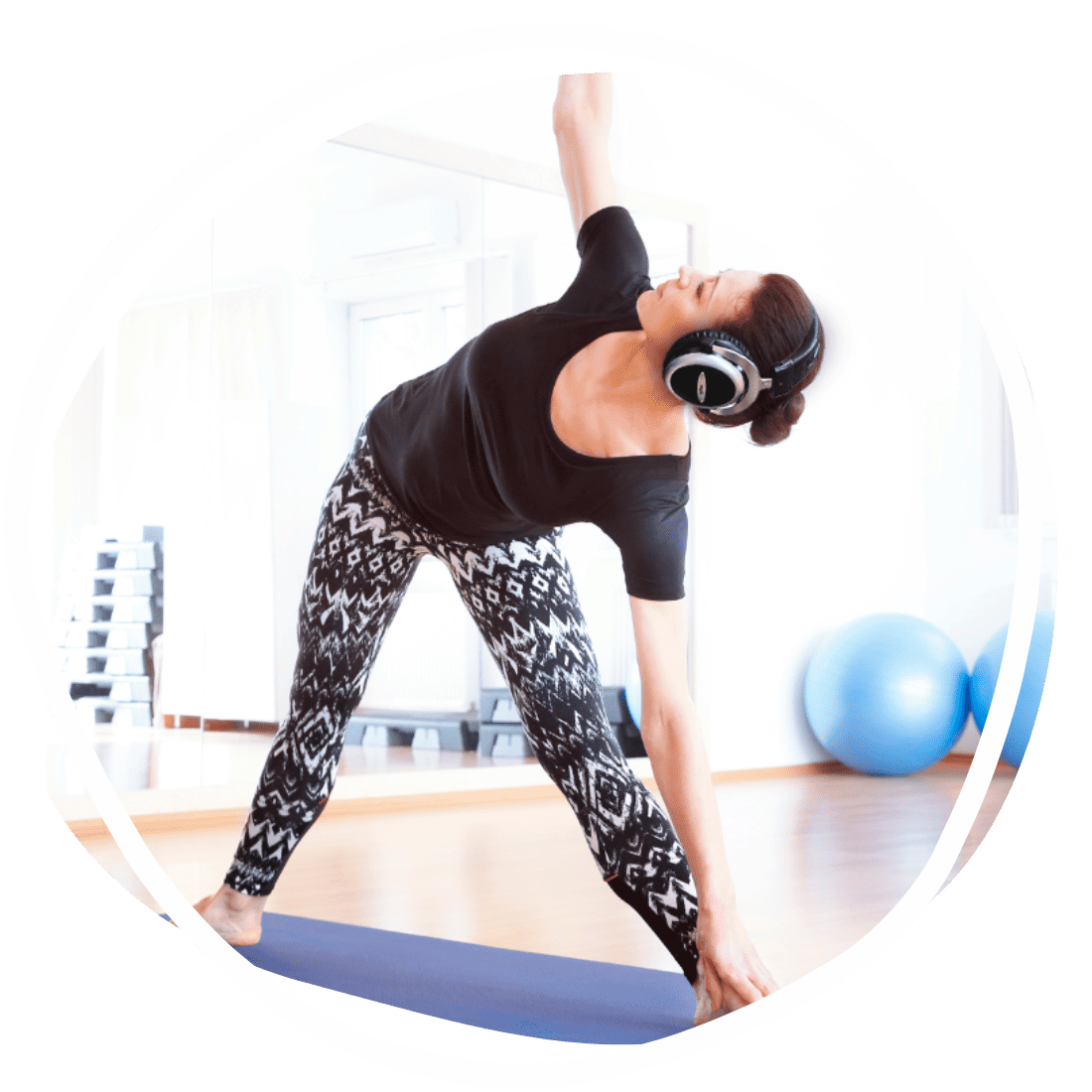
Integrated Listening System
Organization and skill building
Integrated Listening System is a multisensory listening therapy that improves brain-body organization and functional skill building. By combining auditory input with movement-based activities, it harnesses the power of neuroplasticity to strengthen coordination, focus and learning.
ILS is used to support clients working on:
- Improving attention and executive functioning
- Motor planning and coordination
- Sensory processing and integration
- Learning and performance
- Neurological injury or illness (brain injury, stroke, or memory loss)
Continue Your Learning
Want to learn more about our products?
Our team can help.




 © 2026 Unyte Health US Inc.